What Is an Connected Digital Marketing Strategy in Rochester, NY?
Connected Digital Marketing Strategy: Meaning and Core Idea
An unified online marketing plan is a organized plan that brings every online channel into one system. Instead of treating web design, SEO services, digital marketing, and AI experts as separate tasks, the strategy unifies them around the same goals, message, and audience. The result is a smoother customer journey, clearer brand messaging, and better performance across every customer touchpoint.
At its core, integration means each channel backs up the others. Your website is built to guide visitors. Your SEO work helps the right people find you. Your content answers questions based on search intent. Your social posts, emails, and ads reinforce the same offer. This kind of omnichannel approach improves cross-channel coordination and helps a business create consistent experiences from first click to final purchase.
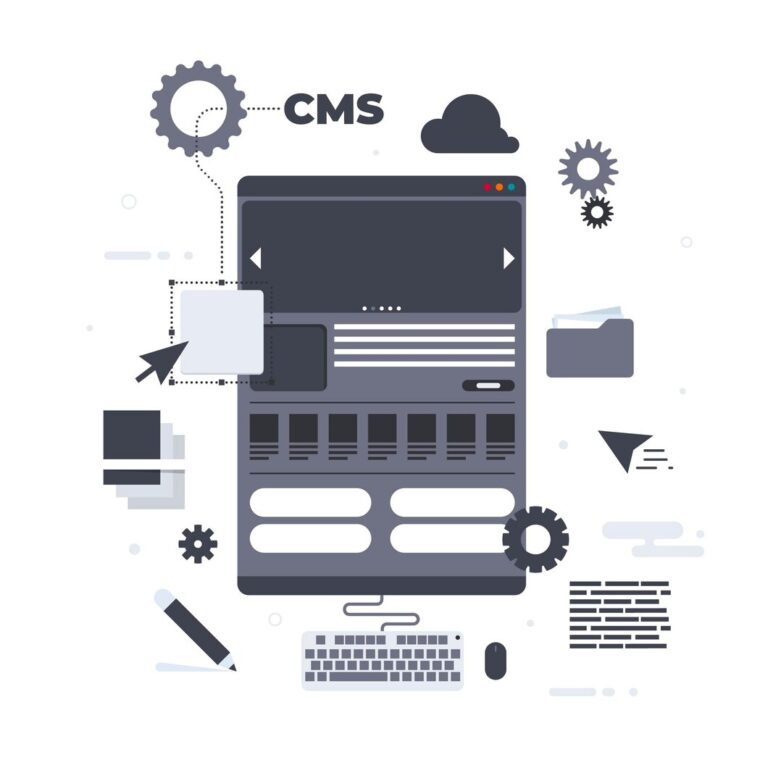
A good integrated strategy also follows the sales funnel and marketing funnel with direction. Early-stage prospects may find a company through organic search or social media marketing, while later-stage leads may respond to email marketing, landing pages, or a clear call to action. When these pieces are aligned, the business can improve conversion paths, increase retention, and make stronger use of performance metrics and attribution.
How Integration Counts for Rochester, NY Businesses
For Rochester, NY businesses, integration is particularly important because the local market is mixed. Rochester is shaped by a mix of local businesses, nonprofits, healthcare organizations, education providers, and service companies. Each of these sectors vies for attention in a market where buyers often compare several options before reaching out. That makes local SEO, consistent branding, and strong local visibility essential.
In the Greater Rochester area, companies are not only competing in the city itself. They are also competing with businesses in nearby suburbs and throughout Monroe County, including Brighton, Irondequoit, and Greece. Search behavior often reflects this geography. Someone looking for a service may search by neighborhood, by suburb, or by “near me” intent. That means an integrated digital marketing strategy has to support local search and broader discovery at the same time.
Integration also matters because Rochester consumers move across channels quickly. A resident might see a social post, visit a website, read a review, and then sign up for an email offer. If the branding changes from one channel to another, trust drops. If messaging is consistent, the customer experience feels reliable. That consistency supports small business growth in a competitive market, especially for companies trying to stand out without wasting budget.
Local businesses can also use integration to respond to seasonal demand. In Rochester, winter weather can influence service needs, retail promotions, and website messaging. A contractor, for example, may need to update landing pages and ads when snow or freezing temperatures create urgent demand. A retailer may promote seasonal offers differently in email and social media marketing. When channels work together, businesses can adapt faster and stay relevant.
In what way Web Design Backs an Unified Strategy
Web design is the foundation of the entire system because every campaign ultimately leads back to the website. A well-built site supports user experience, mobile responsiveness, and conversion rate optimization. If visitors can’t navigate easily, read the content, or complete a form on their phone, the balance of the marketing effort loses value.
Effective design is not just visual. It also affects website architecture, page speed, navigation, and how clearly the site communicates the next step. A purposeful site makes it easy for users to move from an article to a service page, from a service page to a contact form, or from a homepage to a landing pages campaign. Those conversion paths matter because they change traffic into measurable results.
For Rochester businesses, web design must also reflect local expectations. A healthcare practice, nonprofit, or contractor serving downtown Rochester, Brighton, Irondequoit, or Greece needs pages that feel trustworthy and easy to use. The design should support local search, showcase services clearly, and build confidence quickly. Strong branding on the website also reinforces broader branding across ads, email, and social channels.
Integrated design also improves the customer journey. If a person clicks from a Facebook post, they should land on a page that matches the promise in the post. If a visitor arrives from Google after a local search, the page should confirm that they are in the right place. That alignment improves engagement rate, reduces bounce, and helps more users take the intended action.
How SEO Services Are Part of the Larger Marketing Framework
SEO services tie online visibility to demand. They assist businesses appear when people search for solutions, products, or services. In an coordinated digital marketing strategy, SEO is not detached from content, design, or outreach. It works alongside the whole system to attract the right audience, drive organic traffic, and improve lead generation.
One of the first steps is keyword research. This process uncovers the search terms potential customers use and displays what they actually want. A business in Rochester may discover that local search phrases vary by service area, neighborhood, or problem. That insight guides page titles, blog topics, service pages, and landing pages. It also helps shape content marketing so the site reflects search intent more closely.
Another critical part is technical SEO. This includes site structure, crawlability, indexing, schema, page speed, and mobile performance. If technical SEO is weak, even great content may have difficulty to rank. Since many Rochester users search from mobile devices while traveling between work, home, and appointments, mobile usability and page performance matter a great deal.
SEO also supports local search. Businesses that want stronger visibility in downtown Rochester, Brighton, Irondequoit, Greece, and surrounding service areas need location-focused content, accurate business information, and pages that match local intent. This is where SEO solutions and web design overlap: a well-built website makes optimization easier, and strong optimization makes the website more discoverable.
Where digital promotion channels perform best in tandem
Internet marketing becomes more powerful when platforms support one another. Content strategy, social media promotion, and email promotion each fill different purposes, but they deliver the best results when they carry the same message and funnel goals. That alignment improves audience targeting and helps move users from recognition to action.
Content creation is often the backbone of an integrated strategy. Blog posts, service pages, videos, and guides can answer questions, demonstrate expertise, and support search engine optimization. When those assets are optimized around search intent, they attract organic traffic and feed the rest of the system. A strong article can also be repurposed into a social post, an email newsletter section, or a lead magnet.
Social media promotion helps extend reach and build familiarity. It is useful for sharing promotions, highlighting local involvement, and creating engagement. For Rochester businesses, social posts can reference community events, neighborhood priorities, or seasonal needs that matter to local customers. This is especially helpful for nonprofits, service companies, and small businesses that depend on relationship building.
Email campaigns keeps the conversation going after a visitor leaves the site. It supports lead nurturing, retention, and repeat business. A well-designed email sequence can reinforce the same offer found on the website, direct subscribers to landing pages, and guide them through the sales funnel. Together, these channels create stronger cross-channel coordination and more effective marketing automation.
How AI professionals Strengthen Approach, Audience targeting, and Efficiency
AI experts bring powerful capabilities to connected marketing by improving predictive insights, automation, and personalization. Practically speaking, that means they help businesses make better decisions faster. They can analyze campaign metrics, identify patterns in customer behavior, and recommend ways to improve campaigns across the full customer journey.
Predictive analytics is a highly effective application. By studying past behavior, AI tools can estimate which audiences are best positioned to convert, which messages may work best, and which channels deserve more attention. This supports better audience targeting and stronger attribution, especially when multiple campaigns influence the same lead.
Automation also saves time and improves consistency. AI-powered systems can help group lists, send follow-up emails, optimize bids, or trigger workflows based on user actions. This type of marketing automation is valuable for businesses that want to respond quickly without losing quality. It also helps teams maintain brand consistency across many customer touchpoints.
Sunstone Digital Tech50 Fountain Plz #1400, Buffalo, NY 14202
(315) 758-3349
https://maps.app.goo.gl/y9HMhvcoPCh9V3eKA
https://sunstonedigitaltech.com/buffalo-marketing-agency/web-design
42.8898193, -78.8738661
Personalization is another major advantage. AI experts can help tailor offers, content recommendations, and messages based on behavior, location, or stage in the funnel. For example, a Rochester organization may show different landing page content to users from Monroe County than to users from outside the region. Personalized experiences often improve engagement rate and increase conversions.
What an Unified Strategy Looks Like in Practice
An integrated approach performs when every piece reinforces the same marketing funnel. Picture a Rochester service company trying to increase lead generation. The business begins with a marketing audit, finds key service pages, and relies on keyword research to determine what local customers are searching for. Then the team refreshes web design elements, strengthens technical SEO, and writes content that addresses common questions.
Then, the company launches a landing page with a clear call to action. The page is mobile responsive, simple to scan, and optimized for conversion rate optimization. Social media marketing funnels traffic to the page, while email marketing follows up with interested leads. Analytics track where visitors come from, how they behave, and which conversion paths produce the best results.
This system succeeds because it connects traffic, relevance, and action. A visitor may discover the business through organic search, view a blog post, click through to a service page, and then submit a form on a landing page. Each step is backed up by the next one. That is the core of an integrated digital marketing strategy.
For local companies, this kind of system is highly useful because it can respond to neighborhood-level demand and seasonal shifts. A Rochester business promoting winter repair services may update its website messaging, refine social ads, and set up email follow-up to match weather-related urgency. The strategy stays aligned even as conditions change.
Typical Pitfalls Rochester Companies Make When Channels Are Disconnected
One of the biggest problems is inconsistent branding. If website content, advertising, social posts, and email messages all sound different, customers may not trust the business. That inconsistency makes the brand harder to remember and weakens each touchpoint. A unified brand helps people recognize the company wherever they come across it.
Another common issue is duplicate content. When businesses copy the same text across multiple pages or platforms, they reduce clarity and can create SEO problems. Search engines prefer distinct, helpful content that serves a clear purpose. Coordinated planning avoids unnecessary repetition and keeps each channel focused on its role.
Poor tracking is also a major obstacle. Without reliable analytics, businesses cannot tell which channels are driving leads or which conversion paths are underperforming. This makes it difficult to boost ROI or https://syracuse-ny-er202.scriblorax.com/posts/top-day-excursions-from-greece-ny-near-rochester understand attribution. Good tracking helps teams connect data across campaigns and make stronger decisions.
Finally, disconnected campaigns often lead to low engagement. A social post may promise one thing, while the landing page says something different. An email may promote an offer that the website does not clearly explain. These gaps confuse users and hurt performance. Integration closes those gaps and improves the full customer journey.
How to Build an Integrated Digital Marketing Plan Step by Step
Open with a marketing audit. Review your existing website, SEO, content, social channels, email flows, and analytics setup. Identify gaps in messaging, weak pages, missing tracking, and places where channels do not support each other. The goal is to determine what is already working and what needs to change.
Next, define goals and KPIs. Determine what success should look like. That may include lead generation, phone calls, form submissions, organic traffic growth, or stronger retention. Clear KPIs make it easier to judge whether web design, SEO services, and digital marketing efforts are producing results.
Then create a marketing calendar. Plan articles, service pages, social posts, email campaigns, and landing pages around consistent themes and offers. A content calendar allows teams remain consistent and ensures that messaging reinforces the same audience targeting across all channels. It also makes it easier to plan seasonal campaigns for Rochester weather patterns, local events, and community needs.
After that, align the reporting process. Strong reporting reveals how users move through the funnel, where leads come from, and which content influences conversions. Apply analytics to monitor performance metrics such as engagement rate, organic traffic, and conversion rate. Then adjust the strategy based on what the data shows. This cycle of analysis and adjustment is what keeps an integrated digital marketing strategy effective over time.
FAQs About Integrated Digital Marketing Strategy
What is an integrated digital marketing strategy?
An integrated digital marketing strategy is a coordinated approach that combines web design, SEO services, digital marketing, and other channels into one system. It synchronizes brand messaging, customer journey planning, and performance metrics so every channel supports the same goals.
How do web design and SEO services work together?
Web design defines user experience, mobile responsiveness, and conversion rate optimization, while SEO services improve visibility in search results through keyword research, technical SEO, and local search tactics. Together, they create a website that is both discoverable and effective at turning visitors into leads.
Why is integrated digital marketing important for Rochester, NY businesses?
Rochester, NY businesses operate in a crowded market that includes small businesses, nonprofits, healthcare, education, and service companies. Integrated digital marketing strengthens local visibility, supports strategy alignment, and helps companies compete in neighborhoods like downtown Rochester, Brighton, Irondequoit, Greece, and throughout Monroe County.
How can AI experts boost digital marketing performance?
AI experts are able to use forecasting analytics, automation, and customization to enhance campaign targeting and efficiency. They support companies review analytics data, boost lead generation, fine-tune the marketing funnel, and create more relevant customer experiences across channels.
What marketing channels should be included in an integrated strategy?
A solid integrated strategy usually includes web design, SEO, content marketing, social media outreach, email marketing, landing pages, and analytics. Depending on the goals, it may also include automation software, paid campaigns, and AI-driven customization to improve conversion paths and lead nurturing.